Comprehensive Commercial Cleaning RFP Template & Guide for Maryland Businesses
Creating a Request for Proposal (RFP) for commercial cleaning services is a critical step for Maryland businesses seeking to maintain a clean and safe environment. An effective RFP not only outlines the specific cleaning needs of a business but also sets the stage for selecting the right vendor. This guide will provide you with essential insights into writing a comprehensive commercial cleaning RFP, ensuring clarity and precision throughout the process. By understanding the key components of an RFP, businesses can avoid common pitfalls and enhance their chances of receiving competitive bids that meet their unique requirements. This article will cover how to write an effective RFP, what to include in a janitorial services scope of work, how to evaluate cleaning service bids, and the key regulations and standards that must be adhered to in Maryland.
How Do Maryland Businesses Write an Effective Commercial Cleaning RFP?
Writing an effective commercial cleaning RFP involves several key steps that ensure clarity and precision. The first step is to clearly define the scope of work, which includes detailing the specific cleaning tasks required, the frequency of these tasks, and any special requirements unique to the facility. This clarity helps potential vendors understand exactly what is expected, reducing the likelihood of misunderstandings.
Additionally, businesses should focus on the importance of structure in their RFPs. A well-organized document allows vendors to easily navigate the requirements and respond appropriately. Common pitfalls to avoid include vague language and overly complex requirements, which can lead to confusion and subpar bids.
For Maryland businesses, integrating local standards and regulations into the RFP is crucial. This ensures compliance and helps vendors tailor their proposals to meet specific state requirements.
CleanMD Services, a Maryland-based commercial cleaning company, specializes in providing tailored janitorial and facility cleaning solutions for businesses and institutions in Central Maryland. Their expertise can help businesses navigate the RFP process effectively.
What Are the Essential Components of a Cleaning Service Bid Template?
A cleaning service bid template should include several essential components to ensure that all necessary information is captured. Key elements include:
- Company Information: Details about the cleaning service provider, including their experience and qualifications.
- Scope of Work: A detailed description of the cleaning tasks to be performed, including specific areas to be cleaned and the frequency of service.
- Pricing Structure: Clear pricing information, including any additional fees for special services or materials.
- References: Contact information for previous clients who can vouch for the vendor’s reliability and quality of service.
Including these components not only helps businesses compare bids effectively but also sets clear expectations for the vendors.
Which Best Practices Ensure Clarity and Precision in RFP Writing?
To ensure clarity and precision in RFP writing, businesses should adopt several best practices:
- Use Clear Language: Avoid jargon and overly technical terms that may confuse vendors.
- Maintain a Logical Structure: Organize the RFP in a way that flows logically, making it easy for vendors to follow.
- Incorporate Review and Feedback Processes: Before finalizing the RFP, seek feedback from stakeholders to identify any areas of confusion or ambiguity.
By following these best practices, businesses can create RFPs that are straightforward and easy to understand, leading to more accurate and competitive bids.
Maryland Commercial Cleaning RFP: Templates and Best Practices
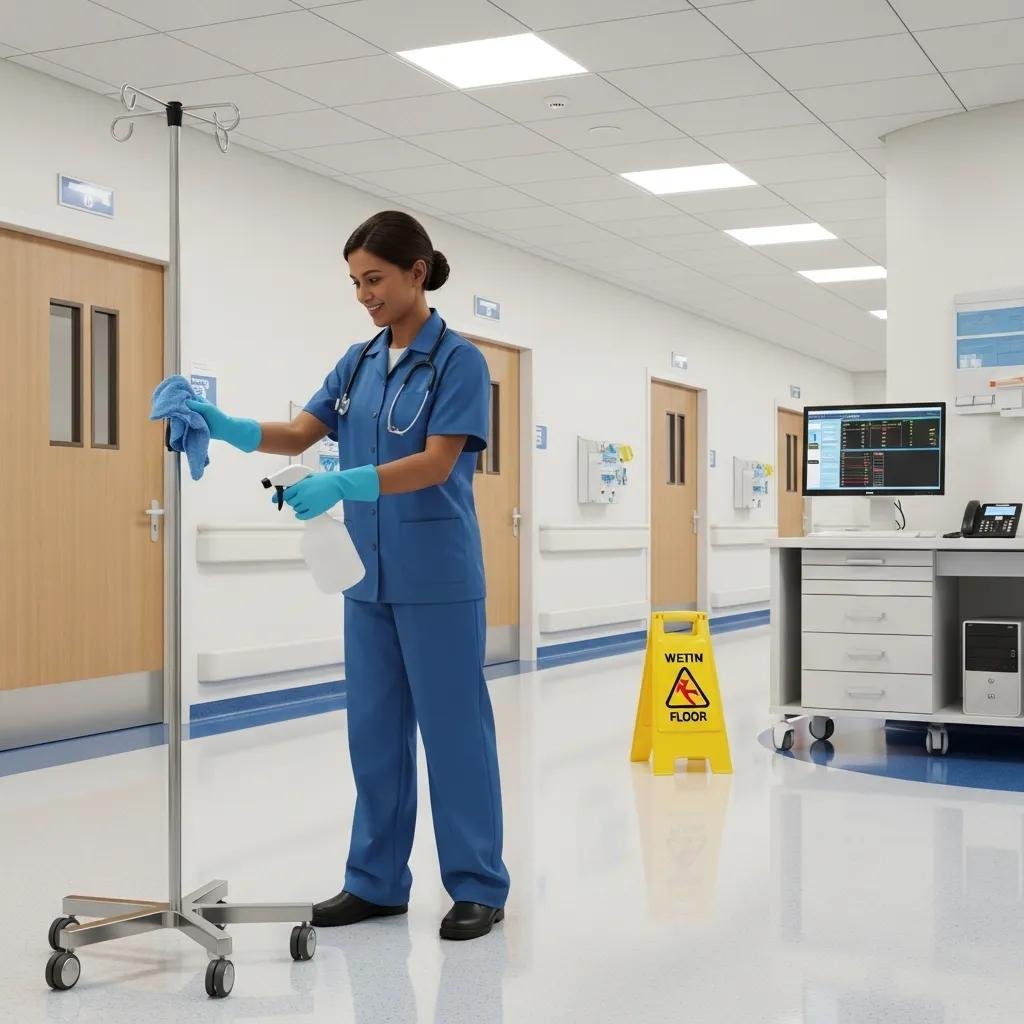
The scope of work in a janitorial services RFP is critical as it outlines the specific tasks and expectations for the cleaning service. This section should detail the types of cleaning required, such as daily, weekly, or monthly tasks, and any special services like carpet cleaning or window washing.
How to Define Facility Cleaning Tasks and Frequency in Proposals?
When defining facility cleaning tasks, businesses should consider the following:
- Daily Tasks: These may include trash removal, vacuuming, and surface cleaning.
- Weekly Tasks: Tasks such as floor scrubbing and dusting high surfaces should be scheduled weekly.
- Monthly or Seasonal Tasks: These could include deep cleaning carpets or windows, which may not be necessary every week.
By clearly outlining these tasks and their frequency, businesses can ensure that vendors understand the expectations and can provide accurate bids.
What Are Maryland-Specific Cleaning Standards to Incorporate?
Maryland businesses must adhere to specific cleaning standards that may include:
- Health and Safety Regulations: Compliance with OSHA standards for workplace safety.
- Environmental Standards: Use of eco-friendly cleaning products and methods that meet state regulations.
Incorporating these standards into the RFP not only ensures compliance but also promotes a healthier environment for employees and customers.
How Can Maryland Businesses Evaluate Cleaning Service Bids Effectively?
Evaluating cleaning service bids effectively requires a systematic approach. Businesses should establish clear criteria for assessment, focusing on factors such as pricing, service offerings, and vendor experience.
Which Pricing Models and Contract Terms Are Common in Commercial Cleaning?
Common pricing models in commercial cleaning include:
- Flat Rate Pricing: A fixed fee for services rendered, which can simplify budgeting.
- Hourly Rates: Charges based on the time spent cleaning, which may vary depending on the scope of work.
- Per Square Foot Pricing: A model that charges based on the size of the area to be cleaned.
Understanding these pricing models helps businesses make informed decisions when comparing bids.
What Criteria Should Be Used to Select Reliable Cleaning Vendors?

When selecting reliable cleaning vendors, businesses should consider the following criteria:
- Experience and Reputation: Look for vendors with a proven track record in the industry.
- Service Offerings: Ensure the vendor can meet all cleaning needs outlined in the RFP.
- Quality Assurance Measures: Inquire about the vendor’s quality control processes to ensure consistent service delivery.
By using these criteria, businesses can select vendors that are not only qualified but also align with their specific cleaning needs.
What Are the Key Maryland Regulations and Industry Standards for Cleaning Contracts?
Understanding the key regulations and industry standards for cleaning contracts in Maryland is essential for compliance and effective contract management.
How Do Environmental and Safety Requirements Impact RFPs?
Environmental and safety requirements significantly impact RFPs by dictating the types of cleaning products and methods that can be used. Businesses must ensure that their RFPs reflect these requirements to avoid potential legal issues and promote a safe working environment.
Understanding the complexities of OSHA compliance within the janitorial sector is crucial for businesses to ensure worker safety and regulatory adherence.
Janitorial Services: Risks, OSHA Compliance & Accountability
Janitorial services form the backbone of sanitation in offices, hospitals, schools, and commercial spaces—but the nature of this work often places workers at heightened risk for injury, exposure, and regulatory neglect. While OSHA exists to uphold workplace safety standards, its enforcement in the janitorial sector is complicated by subcontracting, high turnover, and fragmented accountability. As a result, compliance outcomes vary widely and often depend on site-specific factors like training access, employer structure, and worker representation.
Janitorial Services and OSHA Compliance
Which Certifications and Credentials Should Vendors Possess?
Vendors should possess relevant certifications and credentials, such as:
- Green Cleaning Certifications: Indicating the use of environmentally friendly products.
- OSHA Compliance Training: Ensuring that staff are trained in safety protocols.
These certifications not only demonstrate a vendor’s commitment to quality but also provide assurance that they adhere to industry standards.
How Should Maryland Businesses Manage Vendor Selection and Contract Administration?
Effective vendor selection and contract administration are crucial for maintaining a successful cleaning partnership.
What Are Best Practices for Contract Negotiation and Performance Monitoring?
Best practices for contract negotiation include:
- Clear Terms: Ensure that all terms are clearly defined in the contract to avoid misunderstandings.
- Regular Performance Reviews: Schedule periodic reviews to assess the vendor’s performance against the agreed-upon standards.
- Open Communication: Maintain transparent communication with the vendor to address any issues promptly.
By following these practices, businesses can foster a positive working relationship with their cleaning vendors.
How Can Transparent Communication Enhance Client-Vendor Relationships?
Transparent communication is key to enhancing client-vendor relationships. Regular updates and feedback can help address concerns before they escalate, ensuring that both parties remain aligned on expectations and performance.
In conclusion, creating a comprehensive commercial cleaning RFP is essential for Maryland businesses looking to maintain a clean and safe environment. By following the guidelines outlined in this article, businesses can effectively navigate the RFP process, ensuring they select the right vendor for their cleaning needs.