Why Regular Professional Cleaning Matters for Your Facility’s Health and Productivity
By CleanMD Services
Keeping your facility clean and well-organized is essential to protecting people’s health and keeping operations running smoothly. Professional cleaning does more than improve appearance — it helps control allergens and pathogens that can spread illness. Consistent, scheduled cleaning supports a safer, more efficient workplace. Below, we explain why recurring professional cleaning is an important investment in workplace hygiene and productivity.
We’ll cover the main benefits of regular cleaning, how it supports employee well-being and morale, and how cleaning protocols adapt to industry-specific needs. You’ll also see how partners like CleanMD Services provide targeted solutions that keep facilities clean, compliant, and ready for business.
What Are the Key Benefits of Recurring Professional Janitorial Services?
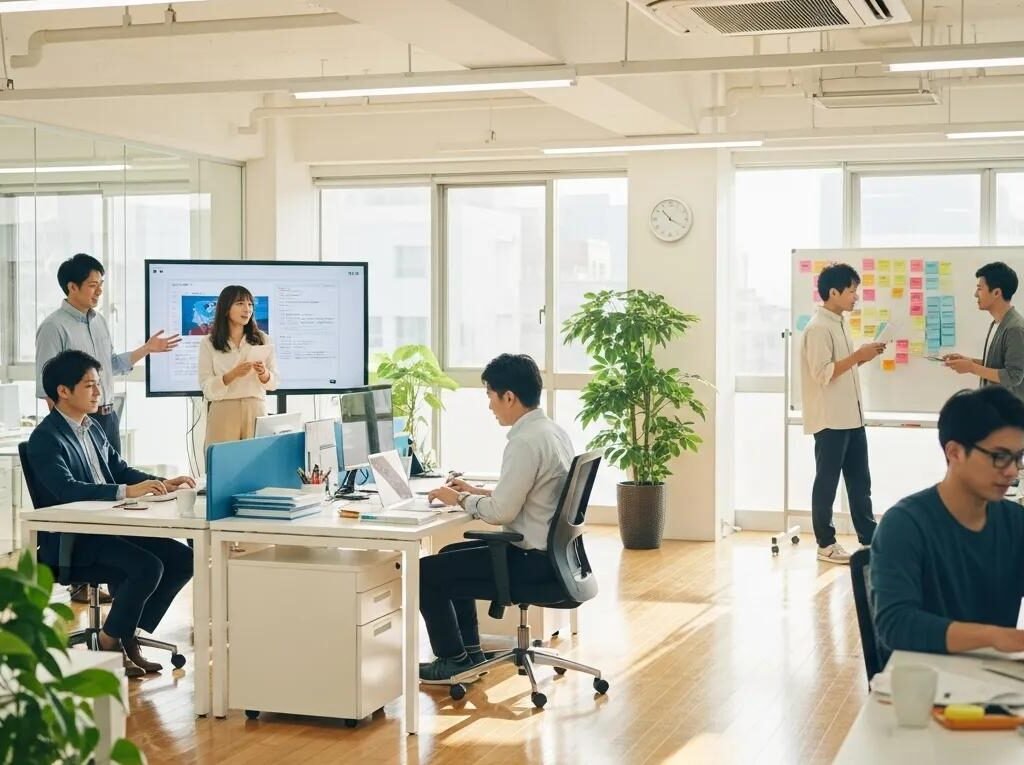
Routine janitorial services deliver measurable benefits for any workplace. Keeping spaces consistently clean supports employee health, reduces distractions, and protects your facility’s assets. Key advantages include:
- Healthier work environment: Regular cleaning cuts down allergens, germs, and other harmful contaminants, lowering illness risk.
- Greater employee productivity: A tidy, organized workspace helps people focus and feel valued, which boosts efficiency.
- Cost savings over time: Preventative cleaning avoids bigger expenses from damage, deep restorations, or emergency cleanups.
For organizations that need dependable cleaning programs, CleanMD Services delivers commercial and residential plans tailored to the facility’s needs and industry standards.
How Does Regular Cleaning Improve Workplace Hygiene and Reduce Germs?
Consistent cleaning routines keep hygiene levels high by targeting the places where germs spread most. Regular attention to high-touch areas and common spaces helps reduce transmission and keeps employees healthier.
Frequent Cleaning Schedules
More-frequent cleaning removes dust, allergens, and microbes before they accumulate. This is especially important in busy areas where many people interact with the same surfaces.
Focus on Disinfecting High-Touch Surfaces
Disinfecting doorknobs, switches, keyboards, and other high-touch points is a core part of protecting workplace health. Rigorous protocols give staff confidence that their environment is being cared for.
Research consistently shows that strong surface-disinfection and hand-hygiene habits reduce the spread of infectious diseases in shared workplaces.
Workplace Hygiene: Preventing Infection and Illness Spread
Good hygiene protects people from acquiring and spreading gastrointestinal and respiratory infections. When employees work in close proximity to colleagues, clients, and customers, share spaces such as offices, kitchens, and break rooms, and share resources like computers and water coolers, infectious diseases can easily spread. Hygiene practices such as using sanitizer, washing hands, and disinfecting surfaces have proven effective in reducing pathogen spreadand lowering workplace illness, and may be easier to adopt than some other public health measures such as mask wearing. Office Workers’ Views About the Uses, Concerns, and Acceptance of Hand Hygiene Data Collected From Smart Sanitizers: Exploratory Qualitative Interview …, S Rutter, 2024
In What Ways Does Consistent Janitorial Care Enhance Employee Productivity?
Consistent janitorial care affects productivity by creating a workspace where people can concentrate and stay healthy. Cleanliness minimizes interruptions and supports routines that keep teams focused.
Reduced Distractions
A well-maintained workspace removes clutter and visual noise so staff can concentrate on their work without unnecessary distractions.
Healthier Environments Correlating with Less Absenteeism
Cleaner workplaces tend to experience fewer sick days. Fewer illnesses translate into steadier staffing levels and better team performance.
Improved Morale from Clean Workplaces
Employees take pride in clean surroundings. That pride increases job satisfaction and contributes to a more motivated workforce.
How Do Industry-Specific Cleaning Needs Affect Facility Health and Safety?
Different industries have distinct cleaning requirements. Protocols must be customized so facilities meet safety and regulatory expectations while protecting occupants.
Specialized Cleaning Protocols in Healthcare and Industrial Settings
Healthcare environments follow strict sanitization regimens to limit infection risk, while industrial sites need cleaning that accounts for safety, equipment care, and contamination control.
Importance of Compliance with Health Standards
Adhering to industry standards reduces health risks and legal exposure. Compliance demonstrates a commitment to safety for employees, patients, and customers.
Potential Risks of Neglecting Specific Cleaning Needs
Overlooking industry-specific cleaning can have serious consequences — from contaminated products in food processing to increased infection risk in healthcare settings.
What Are the Unique Cleaning Protocols for Healthcare and Industrial Facilities?
Facilities with specialized functions require cleaning plans designed for those environments, ensuring safety and operational continuity.
Healthcare Cleaning Specifics
Healthcare cleaning combines specialized disinfectants, validated techniques, and strict scheduling to sanitize patient areas, operating rooms, and equipment.
Industrial Cleaning Unique Challenges
Industrial cleaning addresses residues, hazardous materials, and machinery maintenance, requiring trained staff and compliance with environmental rules.
Importance of Tailored Protocols
Custom protocols reduce contamination risk and protect occupants by matching cleaning methods and products to each facility’s needs.
Why Is Customized Cleaning Essential for Offices and Residential Spaces?
Tailored cleaning plans deliver the right balance of services for offices and homes, improving health outcomes without overspending on unnecessary tasks.
Healthier Environments Through Targeted Cleaning
Targeted cleaning controls allergens and pollutants more effectively, improving indoor air quality and comfort.
Improved Employee and Customer Satisfaction
A clean environment signals that your organization cares about health and safety, which builds trust with employees and visitors alike.
Cost-Efficiency of Customized Plans
Focusing on what matters most — rather than a one-size-fits-all approach — delivers better value and lowers long-term costs.
What Role Does Sanitization and Disinfection Play in Disease Prevention at Workplaces?
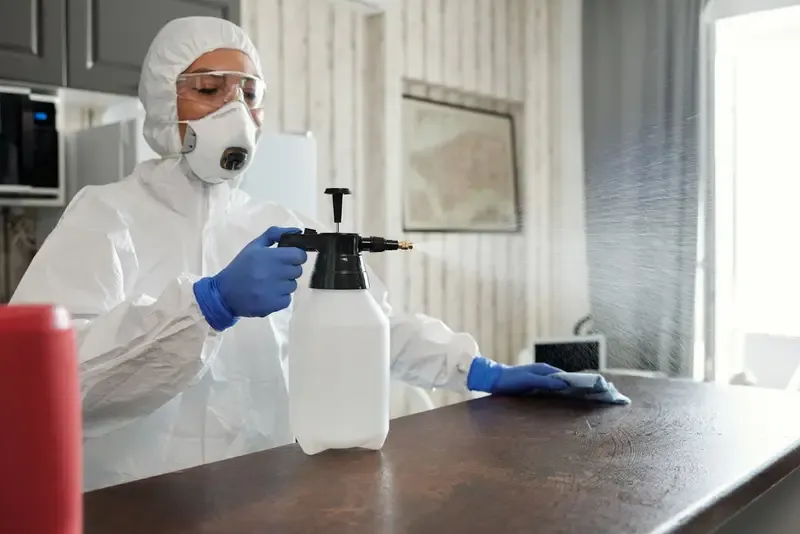
Sanitization and disinfection are cornerstone practices for preventing disease spread in shared work environments. When applied correctly and regularly, they substantially reduce pathogen presence on surfaces.
Effectiveness of Sanitization in Eliminating Pathogens
Routine sanitization removes and neutralizes pathogens on frequently used surfaces, cutting transmission risk among staff.
Regular Protocols Highlight Preventative Measures
Ongoing cleaning schedules demonstrate a proactive approach to health — catching problems early and limiting outbreaks before they start.
Link Between Cleanliness and Worker Health
Evidence links strong cleaning programs to lower illness rates and less absenteeism, reinforcing the value of professional cleaning investments.
How Effective Are Professional Disinfection Services in Reducing Absenteeism?
Professional disinfection can be a key factor in reducing sick days, especially where employees share close contact or communal spaces.
Stats on Reduced Absenteeism Through Cleanliness
Facilities that invest in professional cleaning often see fewer sick days and steadier productivity as a result.
Moral Impact of Professional Disinfection
Beyond the health benefits, visible disinfection efforts reassure employees and help create a culture of safety and trust.
Correlation with Productivity
Cleaner, healthier workplaces support better attendance and higher output, making cleaning a cost-effective operational investment.
Which Sanitization Strategies Are Best Suited for Office Environments?
Effective office sanitization focuses on the spots people touch most and uses proven products and routines to keep germs in check.
Identifying High-Touch Areas
Prioritize keyboards, phones, door hardware, light switches, and shared surfaces so these spots receive frequent attention.
Importance of EPA-Approved Disinfectants
EPA-approved disinfectants provide documented efficacy against many pathogens and should be part of any professional cleaning program.
Routine and Monitoring Best Practices
Set clear cleaning schedules and monitor performance to maintain consistent standards and continuously improve hygiene practices.
How Does Post-Construction and Specialty Cleaning Contribute to Facility Safety and Cleanliness?
Post-construction and specialty cleaning make sure renovated or newly built spaces are free from dust and debris that can harm health and operations.
Removal of Hazardous Materials
Post-construction work clears dust, chemical residues, and leftover materials that can compromise air quality and safety.
Impact on Workplace Safety
Removing debris and hazards improves safety by reducing trip risks and protecting respiratory health.
Enhancement of the Cleaning Process Post-Construction
Specialized protocols ensure surfaces are not only visually clean but also sanitized and ready for daily use.
What Are the Health Advantages of Post-Construction Cleaning?
More than aesthetics, post-construction cleaning prevents exposure to irritants and supports healthier indoor environments for workers and visitors.
Removal of Allergens and Harmful Substances
Thorough post-construction cleaning eliminates dust, solvents, and other residues that can trigger respiratory or skin reactions.
Improved Air Quality and Overall Health
Cleaning that targets airborne particles improves indoor air quality and reduces respiratory complaints among occupants.
Compliance with Safety Regulations
Following safety and cleanliness standards protects businesses from liability and helps ensure facilities meet code requirements.
How Do Pressure Washing and Day Porter Services Support Facility Maintenance?
Pressure washing and day-porter services are practical ways to maintain curb appeal and keep daily operations running smoothly.
Pressure Washing Effectiveness on Outdoor Surfaces
Pressure washing removes grime, algae, and stains from exterior surfaces, protecting materials and improving appearance.
Role of Day Porters in Maintaining Cleanliness
Day porters handle ongoing touch-ups and restocking, keeping high-traffic areas neat throughout the day.
Impact on Client Impression and Safety
Well-maintained exteriors and interiors leave a strong, professional impression and help reduce slip-and-fall hazards.
Why Is Maintaining Surfaces Important for Facility Longevity and Operational Efficiency?
Regular surface care protects building materials, extends lifespan, and supports steady operations with fewer disruptions.
Preventing Material Damage Through Regular Cleaning
Removing dirt and residues prevents long-term wear and preserves floors, finishes, and fixtures.
Saving on Repairs and Replacements
Routine maintenance reduces the need for costly repairs and delays premature replacements.
Impact on Operational Efficiency
Well-maintained facilities avoid downtime caused by unexpected repairs and provide a more productive environment.
How Does Regular Cleaning Extend the Lifespan of Facility Surfaces and Flooring?
Consistent cleaning protects surfaces from abrasive buildup and stains, helping them look and perform better for longer.
Regular Cleaning Prevents Damage
Frequent, appropriate cleaning removes damaging grit and spills that accelerate wear.
Enhances Aesthetic Appeal
Clean surfaces create a welcoming atmosphere and reflect positively on your organization.
Cost-Effective Solution
Routine care is a practical, budget-friendly strategy to preserve facility assets.
What Maintenance Practices Optimize Workplace Safety and Appearance?
A mix of daily tasks, periodic deep cleans, and clear safety protocols keeps spaces safe, attractive, and functional.
Daily Cleaning Tasks
Simple daily routines — wiping surfaces, removing trash, and controlling clutter — form the backbone of effective maintenance.
Regular Deep Cleanup Protocols
Scheduled deep cleans address buildup that daily efforts can’t remove, restoring surfaces and improving hygiene.
Highlighting Safety Measures
Cleaning practices that focus on spill response, signage, and slip prevention directly support employee safety.
How Does Consistent Cleaning Enhance Employee Morale and Customer Experience?
Regular cleaning shapes how people feel about your organization — it lifts morale, creates a better customer experience, and signals professionalism.
Positive Environmental Impact
A tidy, well-maintained workplace makes employees more comfortable and productive.
Influence on Customer Perceptions
Clients judge businesses on cleanliness; a neat space builds trust and strengthens relationships.
Link to Employee Engagement
Clean work environments help employees feel respected and engaged, which supports retention and performance.
In What Ways Does Cleanliness Influence Staff Satisfaction and Productivity?
Cleanliness directly affects staff well-being and output, shaping satisfaction and the overall workplace experience.
Impact of Health on Productivity
Healthier settings reduce illness-related slowdowns and improve daily performance.
Cleaning's Role in Job Satisfaction
Employees report higher satisfaction when their workspace is clean, which can lower turnover and strengthen teamwork.
Creating a Desirable Workplace
Well-cared-for facilities foster pride and belonging, making employees more invested in their workplace.
How Can Professional Cleaning Improve Your Facility’s Professional Image?
Professional cleaning supports the image your organization projects — demonstrating care, competence, and reliability to clients and staff alike.
Reflects Organizational Values
A consistently clean facility signals that safety, quality, and attention to detail matter to your organization.
Impact on Client Trust
Clients are more likely to trust businesses that maintain clear standards of cleanliness and care.
Elements Contributing to Professional Image
Regular maintenance, spotless public areas, and tidy workspaces all contribute to a professional, trustworthy image.