Why Choose Professional Healthcare Cleaning Services for Effective Infection Prevention and Facility Care
By Clean Md Services, CleanMD Services
Maintaining a clean, sanitized environment is essential for patient safety and effective facility management in healthcare. Professional healthcare cleaning services support infection prevention and help facilities meet stringent hygiene standards. This article examines the core benefits of these specialized services, their role in reducing healthcare-associated infections (HAIs), and the value of tailored cleaning programs across clinical settings. Understanding effective cleaning practices enables healthcare providers to improve patient outcomes and enhance safety for both patients and staff.
Effective environmental cleaning is a foundational strategy for preventing and controlling infections in healthcare settings.
Environmental Cleaning Strategies for HAI Prevention in Healthcare
Environmental cleaning is a core strategy to prevent and control infection. A comprehensive approach requires multiple coordinated interventions. The authors assert that designing and implementing a multimodal program is key to reducing the risk of healthcare-associated infections. This paper provides an overview of considerations for creating and sustaining an effective environmental program for healthcare facilities.
Multimodal environmental cleaning strategies to prevent healthcare-associated infections, K Browne, 2023
What Are the Core Benefits of Professional Healthcare Facility Cleaning Services?
Professional healthcare cleaning services deliver measurable benefits that support patient safety and operational efficiency. They are designed to strengthen infection control, enhance patient safety, and support compliance with health regulations.
- Improved Infection Control : Regular and thorough cleaning reduces the presence of pathogens, minimizing the risk of healthcare-associated infections (HAIs).
- Enhanced Patient Safety : A clean environment contributes to better health outcomes, as patients are less likely to contract infections during their stay.
- Compliance with Health Regulations : Professional cleaning services help facilities adhere to strict health and safety standards, avoiding potential fines and legal issues.
The following table illustrates how specific services translate to measurable benefits and impacts:
| Service | Benefit | Impact |
|---|---|---|
| Infection Control Cleaning | Reduces pathogens | Lowers HAI rates |
| Janitorial Maintenance | Regular upkeep | Enhances facility appearance |
| Disinfection Services | Kills harmful germs | Improves patient safety |
These benefits demonstrate the essential role of professional cleaning in maintaining safe, compliant healthcare environments.
How Do Professional Cleaning Services Reduce Healthcare-Associated Infections?
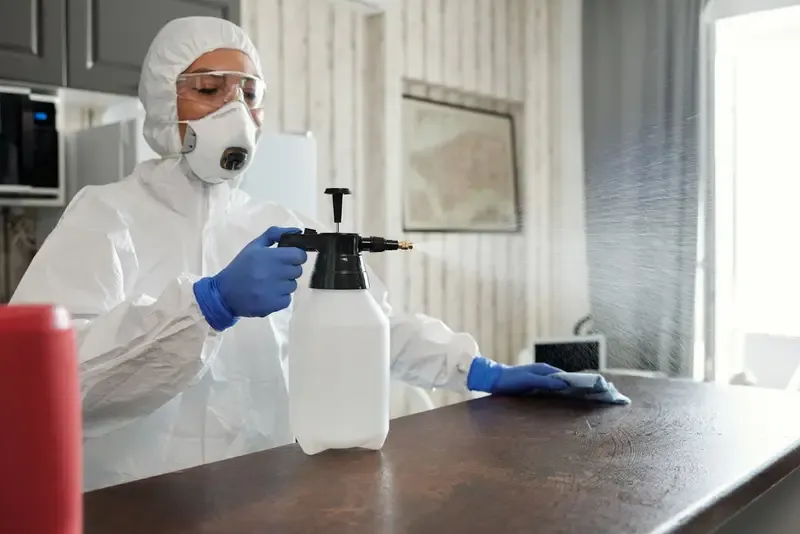
Professional cleaning services reduce healthcare-associated infections through specialized protocols and hospital-grade disinfectants. They prioritise high-touch surfaces that commonly serve as vectors for pathogen transmission.
Research identifies high-touch surfaces as critical vectors for pathogen transmission and shows that targeted cleaning reduces HAIs.
High-Touch Surfaces, Cleaning, and HAI Reduction
Despite substantial efforts, healthcare-associated infections remain a global cause of significant morbidity, increased costs, and prolonged length of stay. Patient care items and frequently touched environmental surfaces are important, potentially preventable sources in the transmission chain. Contaminants on these surfaces include Gram-positive and Gram-negative bacteria, viruses, yeasts, and parasites. Improved cleaning and disinfection have been shown to decrease HAI rates.
High-touch surfaces: microbial neighbours at hand, MM Azevedo, 2017
Employing trained personnel who understand healthcare cleaning protocols ensures all areas are cleaned and disinfected to high standards. This targeted approach reduces infection risk and reinforces a culture of safety within the facility.
CleanMD Services, for instance, specializes in infection-control cleaning that includes recurring janitorial services and healthcare-specific sanitization. Their expertise with effective cleaning agents and techniques supports the maintenance of a hygienic facility.
How Do Infection Prevention Cleaning and Commercial Disinfection Services Enhance Workplace Safety?
Infection prevention cleaning and commercial disinfection services are essential for workplace safety in healthcare settings. These services target harmful pathogens and protect both patients and healthcare staff.
Disinfection directly affects employee health and regulatory compliance. Regular cleaning schedules and thorough disinfection reduce the likelihood of outbreaks and support uninterrupted facility operations.
What Are the Key Protocols in Infection Control Cleaning Services?
Infection-control cleaning services follow specific protocols to maximise effectiveness. These protocols commonly include:
- Use of Hospital-Grade Disinfectants : Ensures that all surfaces are treated with powerful cleaning agents that kill a wide range of pathogens.
- Focus on High-Touch Surfaces : Regular cleaning of areas such as doorknobs, light switches, and medical equipment to prevent germ spread.
- Documentation and Quality Assurance : Maintaining records of cleaning schedules and procedures to ensure compliance and accountability.
These protocols are essential to sustain high standards of cleanliness and safety in healthcare facilities.
How Does Professional Sanitization Improve Patient and Staff Health Outcomes?
Professional sanitization reduces harmful microorganisms and lowers infection incidence, which is critical in settings with vulnerable patients.
Reducing healthcare-associated infections benefits both patients and staff. Cleaner facilities lead to fewer sick days and improved morale, which supports greater operational efficiency.
Why Are Customized Cleaning Programs Essential for Different Healthcare and Commercial Industries?
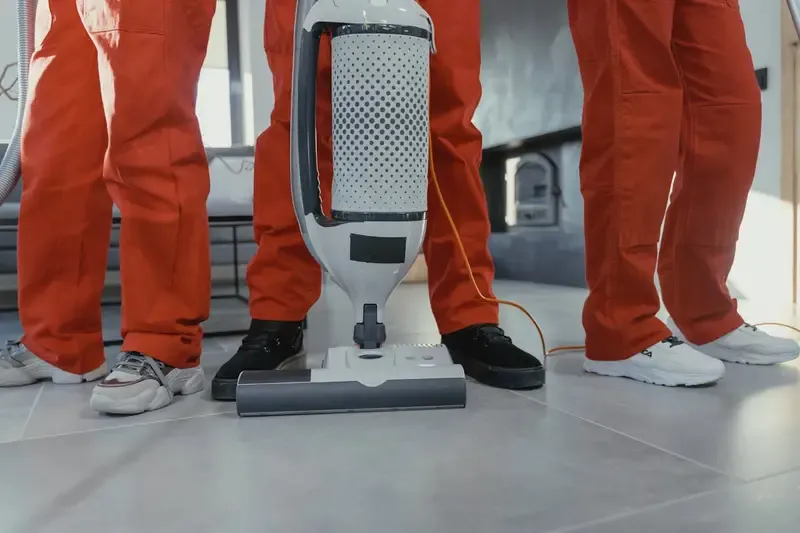
Customized cleaning programs are essential because different healthcare and commercial industries have distinct needs and regulatory requirements. Tailoring services ensures all areas are addressed and that hygiene and safety targets are met.
For example, a surgical center requires more stringent cleaning protocols than a general outpatient clinic. Understanding each facility’s needs enables targeted solutions that strengthen infection control and compliance.
How Are Cleaning Programs Tailored to Meet Industry-Specific Standards?
Cleaning programs are tailored through expert assessment and strict adherence to regulatory guidelines. This involves:
- Tailored Cleaning Plans : Developing specific cleaning schedules and protocols based on the facility’s unique requirements.
- Compliance with Regulations : Ensuring that all cleaning practices align with local and national health regulations.
- Expertise and Training : Employing trained professionals who understand the nuances of cleaning in various healthcare environments.
These tailored approaches help facilities maintain high cleanliness and safety standards.
What Role Does Recurring Janitorial Maintenance Play in Facility Management?
Recurring janitorial maintenance ensures consistent cleanliness over time. Regular schedules prevent the buildup of dirt and pathogens that can compromise patient safety and overall hygiene.
Ongoing maintenance enables early detection of issues such as mold growth or equipment malfunctions. This proactive approach preserves the facility’s appearance and contributes to a healthier environment for patients and staff.
What Specialty Cleaning Solutions Support Comprehensive Healthcare Facility Maintenance?
Specialty cleaning solutions support comprehensive healthcare facility maintenance. These solutions include:
- Disinfection and Sanitization : Targeted cleaning processes that eliminate harmful pathogens.
- Routine Janitorial Services : Regular cleaning to maintain overall facility hygiene.
- Post-Construction Cleaning : Ensuring that newly constructed or renovated areas are safe and clean for use.
These specialty services are critical to maintaining high standards of cleanliness and safety in healthcare environments.
How Do Post-Construction and Industrial Cleaning Services Ensure Safe Environments?
Post-construction and industrial cleaning services remove construction debris, dust, and other contaminants that can pose health risks in healthcare facilities.
Deep-cleaning protocols ensure that all areas are thoroughly cleaned and disinfected to comply with health standards. This is particularly important where residual contaminants could lead to infections or other health issues.
What Are the Benefits of Pressure Washing and Day Porter Services in Healthcare Settings?
Pressure washing and day-porter services deliver practical benefits in healthcare settings, including:
- Enhancing Cleanliness : Regular pressure washing removes dirt and grime from exterior surfaces, improving the facility’s overall appearance.
- Preventing Germ Spread : Day porter services ensure that high-traffic areas are kept clean throughout the day, reducing the risk of germ transmission.
- Maintaining Professional Appearance : A clean facility creates a positive impression on patients and visitors, reflecting the quality of care provided.
Together, these services support a safer and more welcoming environment for patients, staff, and visitors.
How Do Cleaning Schedules and High-Touch Surface Disinfection Optimize Healthcare Facility Hygiene?
Effective cleaning schedules and high-touch surface disinfection optimise hygiene. Identifying high-touch areas and defining cleaning frequencies reduces infection risk.
Specialized disinfection protocols ensure these surfaces are treated with appropriate cleaning agents, further improving overall hygiene. This proactive approach is critical to maintaining a safe environment for patients and staff.
What Are Best Practices for Scheduling Effective Healthcare Cleaning?
Establishing best practices for scheduling effective healthcare cleaning requires several key steps:
- Identify High-Touch Areas : Focus on surfaces that are frequently contacted by patients and staff.
- Establish Cleaning Frequencies : Determine how often each area should be cleaned based on usage and risk factors.
- Monitor and Adjust Cleaning Schedules : Regularly review cleaning practices to ensure they remain effective and compliant with health standards.
Adhering to these practices helps facilities sustain high levels of cleanliness and safety.
Sustaining high standards of cleanliness, particularly for high-touch surfaces, requires continuous effort, formal education, and robust monitoring processes.
Sustaining Hospital Cleaning for HAI Reduction
Short-term improvements in hospital room cleaning can be achieved but are difficult to maintain, especially for high-risk high-touch surfaces. To sustain improvements, environmental services and infection prevention departments implemented formal education, monitoring, and feedback processes for focused cleaning and disinfection of high-touch surfaces as part of routine policies and procedures in 2011.
Environmental cleaning and disinfection: sustaining changed practice and improving quality in the community hospital, 2022
Which High-Touch Surfaces Require Focused Disinfection to Prevent Germ Spread?
- Door Handles : Frequently touched by multiple individuals, making them a hotspot for germs.
- Restrooms : High traffic areas that require regular cleaning to prevent the spread of pathogens.
- Shared Desks and Equipment : Commonly used by staff and patients, necessitating frequent disinfection.
Concentrating on these surfaces is vital to prevent germ spread and to maintain a hygienic environment.
What Evidence and Client Testimonials Demonstrate the Value of Professional Healthcare Cleaning Services?
Evidence and client testimonials demonstrate the value of professional healthcare cleaning services in improving patient safety and operational efficiency. Many healthcare facilities report notable reductions in infection rates after implementing comprehensive cleaning protocols.
Testimonials stress the importance of trained professionals who understand the unique challenges of healthcare cleaning. The positive effects on patient outcomes and staff morale further support the case for investing in professional cleaning services.
How Do Recent Studies Quantify Infection Reduction and Productivity Improvements?
Recent studies indicate that effective cleaning practices can substantially reduce infections and improve productivity. For example, some facilities that adopted rigorous protocols reported HAI reductions of up to 30%, illustrating the link between cleanliness and patient safety.
Improved hygiene practices also support greater staff productivity, as healthier environments lead to fewer sick days and higher morale among healthcare workers.
What Do Healthcare Facility Managers Say About CleanMD Services’ Performance?
Healthcare facility managers consistently praise CleanMD Services for their commitment to quality and effectiveness. Feedback highlights the company’s attention to detail and its ability to tailor cleaning programs to meet specific facility needs.
Clients commend CleanMD Services’ professional staff and expertise, noting that their cleaning protocols materially improve facility hygiene and patient safety. This feedback underscores the value of selecting a reliable cleaning partner.
To learn more about commercial janitorial services and how these services can support your facility, contact us today.
Frequently Asked Questions
What types of facilities benefit most from professional healthcare cleaning services?
Professional healthcare cleaning services are essential for hospitals, outpatient clinics, nursing homes, and surgical centers. Each environment has specific cleaning requirements due to vulnerable populations and the risk of HAIs. Specialized protocols tailored to each facility help ensure a safe and hygienic environment for patients and staff.
How often should healthcare facilities schedule cleaning services?
The frequency of cleaning depends on facility type, patient volume, and applicable health regulations. High-traffic and high-touch areas generally require multiple cleanings per day, while lower-use areas may be serviced daily or weekly. A tailored schedule maintains optimal hygiene and reduces infection risk.
What qualifications should cleaning staff have in healthcare settings?
Cleaning staff should have formal training in infection control, correct use of hospital-grade disinfectants, and familiarity with the specific challenges of healthcare environments. Ongoing training and certification in best practices for cleaning and sanitization are essential to maintain high standards of cleanliness and safety.
How can healthcare facilities measure the effectiveness of their cleaning services?
Facilities can measure effectiveness by monitoring infection rates, conducting regular audits of cleaning practices, and collecting feedback from staff and patients. Implementing a quality assurance program with documented cleaning schedules and procedures helps ensure compliance and identifies areas for improvement.
What role does technology play in modern healthcare cleaning services?
Technology enhances the effectiveness of healthcare cleaning. Electrostatic sprayers, UV-C light disinfection, and automated cleaning robots can improve efficiency and thoroughness. Software solutions for scheduling, task tracking, and compliance monitoring also help facilities maintain high standards and streamline operations.
Are there eco-friendly options available for healthcare cleaning services?
Yes. Many professional healthcare cleaning services offer eco-friendly options that use green cleaning products and sustainable practices. These approaches aim to remain effective against pathogens while minimising environmental impact and reducing exposure to harsh chemicals. Facilities gain a healthier environment for patients and staff while meeting regulatory expectations.
What should healthcare facilities consider when choosing a cleaning service provider?
When selecting a provider, consider the company’s experience in the healthcare sector, staff training and qualifications, and adherence to industry standards and regulations. Evaluate the range of services offered, the effectiveness of cleaning products, and the provider’s commitment to quality assurance and customer satisfaction. A thorough assessment supports a reliable partnership that enhances facility hygiene and safety.
Conclusion
Investing in professional healthcare cleaning services is essential to improve patient safety and operational efficiency within healthcare facilities. These services strengthen infection control, support compliance with health regulations, and foster safer environments for patients and staff. By choosing tailored cleaning programs, healthcare providers can address specific needs and sustain high hygiene standards. Discover how our expert cleaning solutions can elevate your facility’s cleanliness and safety today.