Commercial vs. Residential Cleaning: What to Know About Benefits and Choosing the Right Service
By CleanMD Services
When you’re comparing professional cleaning options, it’s important to understand how commercial and residential services differ. Each is tailored to a specific environment, which affects frequency, methods, and cost. Knowing the differences helps property owners and facility managers pick the right program. This guide outlines the benefits, key characteristics, and practical considerations for choosing commercial or residential cleaning based on your needs.
Service Benefits of Commercial Cleaning vs. Residential Cleaning
Commercial and residential cleaning deliver different advantages because businesses and homes have different demands. Both improve health, extend the life of surfaces and equipment, and save time — but they do so in distinct ways. Comparing these benefits helps you decide which service best fits your space.
Commercial Cleaning Benefits:

Commercial cleaning focuses on large-scale, efficient cleaning that supports business operations. Beyond appearance, it protects employee health and helps preserve your facility.
- Better Workplace Environment: A well-maintained office improves morale and helps people work more effectively.
- Fewer Sick Days: Regular sanitation reduces germs and the spread of illness, helping keep staff healthy.
- Lower Long-Term Costs: Routine maintenance prevents damage and extends the life of carpets, furniture, and equipment.
Investing in commercial cleaning can lead to measurable savings and a more productive workplace.
For a closer look at our approach, see the commercial cleaning services overview.
Residential Cleaning Benefits:
Residential cleaning is built around comfort, health, and convenience for families. Services are flexible and focus on keeping homes livable and well-maintained.
- Saves Time: Professional cleaners take routine chores off your plate so you can focus on family or work.
- Cleaner, Healthier Home: Regular cleaning reduces dust, allergens, and indoor pollutants for better air quality.
- Custom Options: Services range from quick upkeep cleanings to deep cleans and specialty tasks tailored to your home.
Choosing a reliable residential cleaner helps maintain a comfortable, healthier living space.
Guidance on Choosing Between Commercial and Residential Cleaning:
Pick the right service by matching the cleaning type to the space and needs. Consider these core factors when deciding.
- Match the Service to the Facility: Identify whether you’re servicing a business, a home, or a specialized space.
- Decide on Frequency: Determine whether you need daily, weekly, or monthly service and how intensive each visit should be.
- Check Provider Reputation: Read reviews and ask for references to ensure consistent, high-quality results.
These steps make it easier to select a service that fits your expectations and budget.
Key Considerations for Consumers:
When you start comparing providers, focus on the essentials that affect safety, quality, and value.
- Experience and Training: Make sure crews have the skills and training for the tasks you require.
- Insurance and Liability: Verify the company carries insurance to protect you and your property.
- Eco-Friendly Options: If green cleaning matters to you, choose providers that use certified environmentally safe products and methods.
Addressing these items up front helps you find a cleaner that meets your standards.
What Are the Core Benefits of Commercial Cleaning Services?
Commercial cleaning delivers practical value beyond aesthetics. Properly executed, it protects health, supports operations, and preserves your facility. Learn more about our offerings at commercial cleaning services.
- Cost-Effective Value: Regular cleaning reduces repair and replacement costs over time.
- Health and Safety: Consistent sanitation minimizes hazards and supports regulatory compliance.
- Professional Expertise: Trained teams bring the right tools and methods for different commercial spaces.
These benefits make commercial cleaning an integral part of a healthy, productive workplace.
How Does Commercial Cleaning Enhance Workplace Health and Safety?
Regular, structured cleaning programs reduce contaminants and allergens, supporting both employee well-being and regulatory requirements.
- Allergen Reduction: Routine dusting and sanitizing improve indoor air quality.
- Regulatory Compliance: Following cleaning protocols helps limit liabilities tied to health and safety.
- Boosted Employee Morale: A clean workspace signals care and professionalism, which can improve retention and productivity.
Prioritizing cleaning creates a safer, more comfortable workplace for everyone.
In What Ways Does Commercial Janitorial Service Extend Facility Lifespan?
Regular janitorial care preserves building components and lowers the chance of costly repairs. Skilled janitorial teams prevent small issues from becoming larger problems.
- Prevents Costly Repairs: Routine inspections and upkeep address wear before it escalates.
- Extends Asset Life: Proper cleaning and maintenance keep floors, fixtures, and equipment in better condition longer.
- Enhances Professional Image: Clean facilities present well to clients and visitors, reinforcing your brand.
Professional janitorial services are a practical investment in facility value and appearance.
What Advantages Does Professional Residential Cleaning Offer to Homeowners?
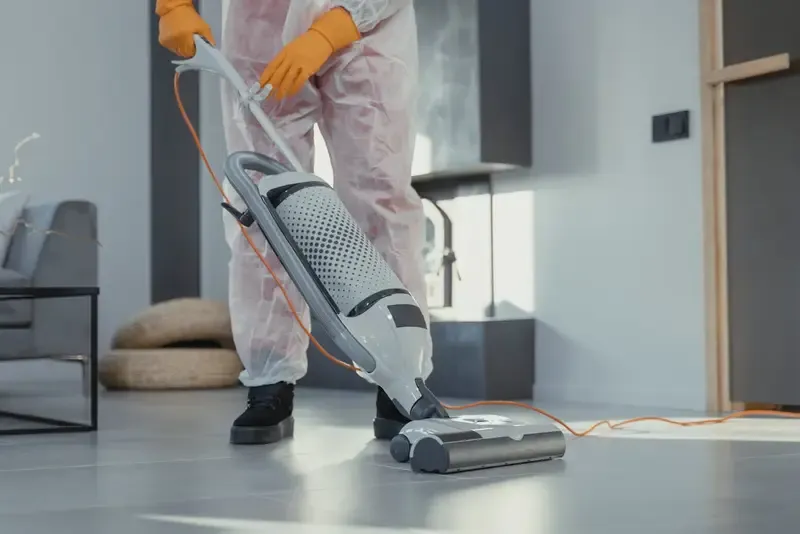
Hiring professional cleaners improves daily life at home—saving time, reducing stress, and creating a healthier environment for your family.
- Cost-Effective Over Time: Outsourcing removes the need for specialized equipment and supplies while delivering consistent results.
- Time Savings: Free up weekends and evenings by letting professionals handle regular cleaning tasks.
- Better Living Conditions: Professional cleaning reduces dust and allergens, helping protect family health.
Professional cleaning delivers both practical convenience and a measurable lift in home comfort.
How Does Residential Cleaning Improve Home Environment and Comfort?
A professional clean can noticeably improve indoor air quality and reduce household germs, making your home more comfortable and safer.
- Improved Air Quality: Regular removal of dust, mold spores, and allergens leads to fresher indoor air.
- Health Benefits: Proper sanitization techniques lower exposure to germs and bacteria.
- Customizable Service: Tailored cleaning plans let you prioritize areas that matter most to your household.
Choosing the right residential service enhances both comfort and peace of mind.
Why Is Scheduling Regular Residential Cleaning Important for Maintenance?
Consistent cleaning prevents buildup and protects surfaces, keeping your home in better shape and reducing long-term costs.
- Prevents Dirt Accumulation: Scheduled visits keep grime from settling in and becoming harder to remove.
- Health Benefits: Regular cleaning lowers allergen levels and bacteria, supporting family health.
- Long-Term Savings: Ongoing maintenance helps avoid premature replacement of carpets, furniture, and finishes.
Routine residential cleaning keeps homes cleaner, healthier, and more inviting.
What Are the Key Differences Between Commercial and Residential Cleaning Techniques?
Commercial and residential cleaning use different tools, schedules, and methods to meet their unique demands. Knowing these differences sets clear expectations.
- Equipment and Methods: Commercial crews use larger, more powerful equipment while residential teams often rely on compact tools suited to homes.
- Service Frequency: High-traffic commercial spaces need more frequent and intensive cleaning than most homes.
- Specialized Protocols: Certain industries—like healthcare—require strict disinfection and documentation practices.
Understanding these distinctions helps you choose the right provider for your space.
How Do Equipment and Methods Vary Between Commercial and Residential Cleaning?
The scope and scale of the job drive equipment and product choices. Commercial work favors efficiency and industrial-strength solutions; residential cleaning favors convenience and gentle products for living spaces.
- Specialized Equipment: Commercial sites often require floor machines, industrial vacuums, and other large tools.
- Cleaning Supplies: Commercial-grade products are designed for heavy use, while residential products focus on safety and scent preferences.
- Labor Needs: Commercial jobs may need teams and shift schedules to cover large areas promptly.
Knowing how equipment and products differ helps set accurate expectations for results and cost.
What Are the Distinct Scheduling and Frequency Considerations?
Scheduling should reflect how the space is used. The right cadence ensures cleanliness without disrupting daily operations or family life.
- Frequency by Use: Commercial sites may need daily or multiple daily cleanings; most homes are fine with weekly or biweekly visits.
- Peak-Time Adjustments: For businesses, scheduling during off-hours reduces disruption to staff and customers.
- High-Touch Areas: Frequently handled surfaces — doorknobs, elevator buttons, shared equipment — require more frequent attention.
Effective scheduling maintains cleanliness while minimizing impact on daily routines.
How Do Commercial and Residential Cleaning Costs Compare and What Factors Affect Pricing?
Price depends on scope, frequency, and special requirements. Commercial pricing reflects scale and contract terms; residential pricing typically factors in home size and requested services.
- Commercial Cost Drivers: Frequency, facility size, and specialized needs determine commercial rates.
- Residential Pricing Factors: Home square footage, number of rooms, and add-on services influence residential fees.
- Budget Planning: Work with providers to tailor plans that meet your needs while staying within budget.
Clear estimates and transparent scope help you choose the most cost-effective option.
Which Elements Influence Commercial Cleaning Service Pricing?
Commercial pricing reflects workload, complexity, and required frequency. Understanding these elements helps businesses plan their cleaning budgets.
- Frequency Effects: Recurring contracts often come with better rates than one-off cleanings.
- Facility Size and Use: Larger or high-occupancy sites cost more to service.
- Specialized Tasks: Industrial, post-construction, or specialty cleanings typically carry higher fees.
Knowing these drivers makes it easier to evaluate quotes and select the right level of service.
What Should Homeowners Expect Regarding Residential Cleaning Fees?
Residential fees usually reflect home size, the scope of work, and how often you schedule service. Transparency from providers helps set realistic expectations.
- Typical Fee Structures: Many companies price by home size, number of bathrooms, or by the hour.
- Quality vs. Price: Higher rates can indicate more thorough service, vetted staff, and better insurance coverage.
- Flexibility: Many providers offer customizable packages so you can prioritize what matters most within your budget.
Understanding fee structures makes it easier to choose the plan that fits your home and wallet.
What Are Industry-Specific Cleaning Requirements for Commercial Facilities?
Different industries require different cleaning standards to stay compliant and safe. Choosing a provider with sector experience ensures you meet those expectations.
- Sector Compliance: Food service, healthcare, and other regulated industries follow strict cleaning rules to protect public safety.
- Standards-Driven Practices: Industry standards shape the methods, products, and documentation used in cleaning operations.
- Specialized Protocols: Healthcare and industrial settings demand extra precautions, training, and verification.
Picking a provider familiar with your industry reduces compliance risk and improves outcomes.
What Are Healthcare Facility Cleaning and Disinfection Standards?
Healthcare environments require rigorous cleaning and documented disinfection to protect patients and staff. Providers must follow applicable health authority protocols.
- Regulatory Requirements: Facilities must meet standards set by regulatory and public health bodies.
- Effective Disinfection: Proper disinfectants, contact times, and validated procedures are essential.
- Staff Training: Ongoing training and oversight ensure teams follow required protocols consistently.
Strict standards and training are critical to maintaining a safe healthcare environment.
How Does Industrial Cleaning Differ in Technique and Safety Measures?
Industrial cleaning involves heavy machinery, hazardous materials, and strict safety controls. These jobs need specialized equipment and trained crews.
- Specialized Techniques: Industrial sites require methods that safely address machinery, chemicals, and large surfaces.
- Robust Safety Protocols: PPE, permits, and confined-space procedures are often required.
- Regulatory Oversight: Industrial cleaning must comply with workplace safety and environmental regulations.
When industrial conditions apply, choose providers with the expertise and certifications to work safely and effectively.
For more detail on service types and safety requirements across environments, consult industry resources and standards documents.
Succeeding in Residential, Commercial, and Industrial Cleaning Environments
This introduction outlines more than 500 distinct service applications across agricultural, marine, industrial, and commercial settings that use high-pressure water tools. It describes the range of applications, the safety requirements tied to each, and offers guidance on selecting the right equipment and processes. The document supports service sales, tooling decisions, and customer consultations across 24 commercial and industrial sectors. It also details procurement practices and application methods designed to protect operational knowledge and ensure consistent, safe performance in varied situations.
Introduction: Succeed in Residential, Commercial and Industrial Environments, 2012
How Should Clients Choose Between Commercial and Residential Cleaning Services?
Choosing the right service starts with a clear assessment of your space and expectations. Use the following criteria to guide your decision.
- Provider Experience and Reputation: Look for companies with proven results and positive client feedback in your sector.
- Customization Options: The best providers offer flexible plans that align with your schedule and priorities.
- Budget Alignment: Balance cost with the level of service you need—don’t sacrifice safety or quality to save a little up front.
When these factors align, clients find reliable cleaning that meets their needs and budget.
What Client Needs Determine the Appropriate Cleaning Service Type?
Identify the critical needs of your space to choose the correct service type.
- Type of Space: Is it a private home, an office, or a specialized facility? Each requires different expertise.
- Usage Frequency: High-use areas need more frequent service than low-traffic spaces.
- Client Expectations: Preferences for green products, deep-clean schedules, or focused sanitation should guide provider selection.
Answering these questions makes it straightforward to match your space with the right cleaning plan.
How Do Specialty and Recurring Services Support Facility Maintenance?
Both recurring and specialty services are key to long-term upkeep. Regular visits prevent buildup while specialized work addresses specific issues that routine cleaning doesn’t cover.
- Recurring Services Maintain Cleanliness: Scheduled cleanings stop dirt and grime from becoming costly problems.
- Specialty Services Preserve Integrity: Window washing, upholstery care, and deep sanitizing protect surfaces and extend their life.
- Consistency Builds Satisfaction: Reliable service and clear communication keep clients satisfied and facilities well-maintained.
Together, recurring and specialty services help facilities stay functional, attractive, and safe over time.