How Hospital Cleaning Enhances Patient Safety Through Effective Disinfection Protocols
Cleanliness in healthcare settings is a cornerstone of patient safety and well‑being. Thoughtful, consistent cleaning reduces infection risk and improves the experience for patients and staff. This article explains how proven disinfection practices protect patients across hospitals and health systems. Key factors include hospital‑grade disinfectants, reliable cleaning schedules, and adherence to recognized standards. Organizations that pair strict infection‑control procedures with trained cleaning teams remove hazards more effectively. Below, we cover disinfection protocols, the role of professional cleaning services, specialized techniques, and the health benefits of expert healthcare cleaning.
Effective Hospital Disinfection Protocols
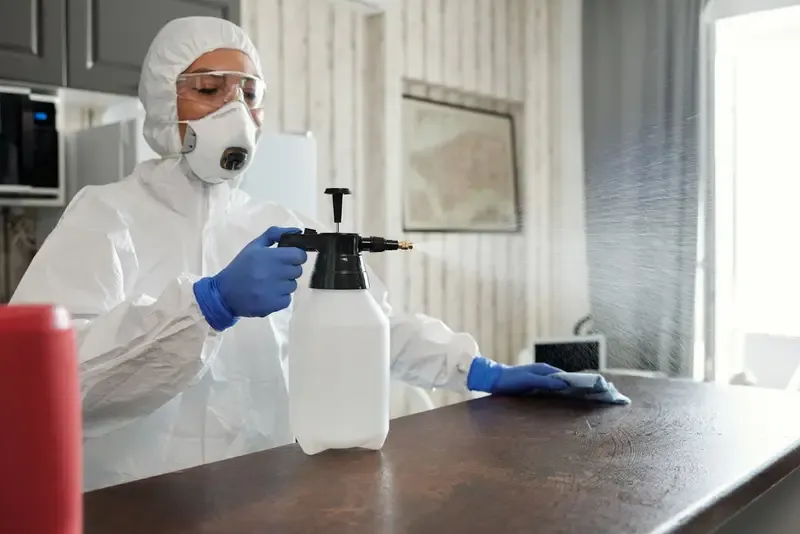
Robust disinfection protocols form the foundation of patient safety in healthcare facilities. These protocols rely on scheduled use of hospital‑grade disinfectants that focus on high‑touch areas to lower pathogen transmission. Routine cleaning cadences ensure spaces remain sanitized, especially during periods of increased infection risk. Regular audits and compliance checks confirm that protocols are followed and help sustain a safer environment for patients and staff alike.
| Disinfectant Type | Application | Efficacy |
|---|---|---|
| Hospital‑grade Disinfectant A | Surface disinfection | High |
| Hospital‑grade Disinfectant B | Air purification | Moderate |
| EPA‑registered Disinfectant C | Instrument sterilization | High |
This table outlines common disinfectant categories used in healthcare and their primary applications, highlighting the chemical tools that support facility hygiene.
What Are Hospital Cleaning Protocols and Standards Ensuring Safety?
Healthcare facilities follow established cleaning protocols and standards to protect patients and staff. Guidelines from regulatory and industry organizations provide frameworks for effective cleaning and sanitization. Regular inspections and detailed documentation of cleaning activities reinforce compliance, ensuring hygiene is addressed methodically throughout the facility.
What sanitation standards guide healthcare facility hygiene best practices?
Sanitation standards are central to healthcare hygiene. Compliance with regulatory and professional guidance ensures facilities use appropriate procedures, with special focus on high‑touch surfaces prone to contamination. Ongoing staff training guarantees personnel understand these standards and apply them consistently, supporting a safety‑first culture across the organization.
How do cleaning schedules prioritize high‑touch surface disinfection?
Cleaning schedules are designed to prioritize high‑touch items — doorknobs, bed rails, medical devices, and similar surfaces. Frequent, thorough cleaning of these points reduces cross‑contamination and infection spread. Many facilities adopt tailored schedules that reflect each area’s traffic and risk profile, so cleaning effort matches the space’s needs.
What Role Do Janitorial and Day Porter Services Play in Maintaining Patient Safety?
Janitorial teams and day porters are essential to day‑to‑day hygiene in healthcare settings. They provide continuous oversight and prompt response to cleanliness issues, helping keep patient areas tidy and safe. Day porters typically focus on immediate needs in high‑use zones, supporting infection control between scheduled cleanings.
How do recurring janitorial services support consistent infection control?
Recurring janitorial services create a dependable cleaning rhythm that strengthens infection control. Regular cleaning raises the chance of removing pathogens from surfaces, protecting both patients and staff. Professional teams follow area‑specific routines to ensure thorough coverage and consistent adherence to sanitation rules.
Why are day porter services critical for ongoing hygiene management?
Day porters provide constant, visible cleaning support that helps manage hygiene throughout the day. They respond to spills, remove waste, and refresh common areas in real time, lowering the risk of accidents and disease transmission. Their presence complements scheduled deep cleans and keeps high‑traffic areas safe between shifts.
How Do Specialized Cleaning Services Enhance Healthcare Facility Hygiene?

Specialized cleaning teams bring focused strategies for environments with unique needs. These crews are trained and equipped to handle the specific challenges of hospitals, using the right tools and protocols for each space to deliver higher hygiene outcomes.
What are the cleaning protocols used for post‑construction and industrial areas?
Post‑construction and industrial‑area cleanings require targeted measures to remove dust, debris, and contaminants that could threaten patient safety. Teams use hospital‑grade disinfectants and specialized equipment to sanitize surfaces thoroughly before the space is returned to clinical use, ensuring a safe transition.
How are cleaning procedures customized for different healthcare environments?
Cleaning procedures are adapted to the risks and functions of each area. Operating rooms demand strict sterile practices, while patient rooms balance cleanliness with comfort. Custom protocols ensure every space meets hygiene expectations and supports patient safety across diverse clinical settings.
What Are the Health and Economic Benefits of Professional Healthcare Cleaning?
Professional healthcare cleaning delivers both health and economic advantages. Effective sanitation supports better patient outcomes, shorter recovery times, and fewer hospital‑acquired infections — all of which can reduce costs and improve facility reputation.
How does effective cleaning impact patient outcomes and recovery rates?
Thorough cleaning helps create safer healing environments, which in turn can lower infection rates and support faster recovery. Facilities that maintain high hygiene standards often see better patient satisfaction and clinical results, reinforcing trust in the care they provide.
What evidence supports reduced staff absenteeism through sanitation practices?
Stronger sanitation practices are linked to lower staff illness and absenteeism. A cleaner workplace reduces staff exposure to pathogens, which helps maintain workforce availability and morale. These benefits contribute to smoother operations and improved staff retention.
How Can Facilities Implement Best Practices to Optimize Cleaning and Safety?
Facilities can improve cleaning and safety by adopting modern cleaning technologies, clear monitoring systems, and data‑driven workflows. Listening to staff and patient feedback helps ensure cleaning programs are both effective and responsive to changing needs.
What monitoring and reporting standards improve cleaning accountability?
Clear monitoring and reporting systems boost accountability among cleaning teams. Checklists, inspection reports, and real‑time feedback tools make processes transparent and verifiable. Regular audits identify gaps and drive continuous improvement in cleaning performance.
How do cleaning technologies contribute to achieving sanitation goals?
Advanced cleaning technologies — like electrostatic sprayers and robotic cleaners — increase efficiency and consistency in disinfection. These tools help reach complex surfaces, reduce human error, and free staff to focus on tasks that require a human touch, helping facilities meet high sanitation standards.