Warehouse Cleaning Best Practices for Optimal Efficiency: Professional Standards and Solutions
By Clean Md Services, CleanMD Services
A clean, well-organised warehouse improves operational efficiency and reduces safety risks. Effective cleaning supports workforce productivity and asset longevity. This guide summarises professional standards, recommended task frequencies, and the role of specialised services. Facility managers and business owners will find structured protocols and actionable strategies to maintain a safe and efficient warehouse environment.
Professional Standards
Professional standards ensure compliance with health and safety regulations and set the protocols required for a safe workplace. Consistent adherence to structured cleaning procedures reduces accident risk and supports operational continuity. Regular inspections and audits verify compliance and cultivate accountability among staff.
Effective Solutions
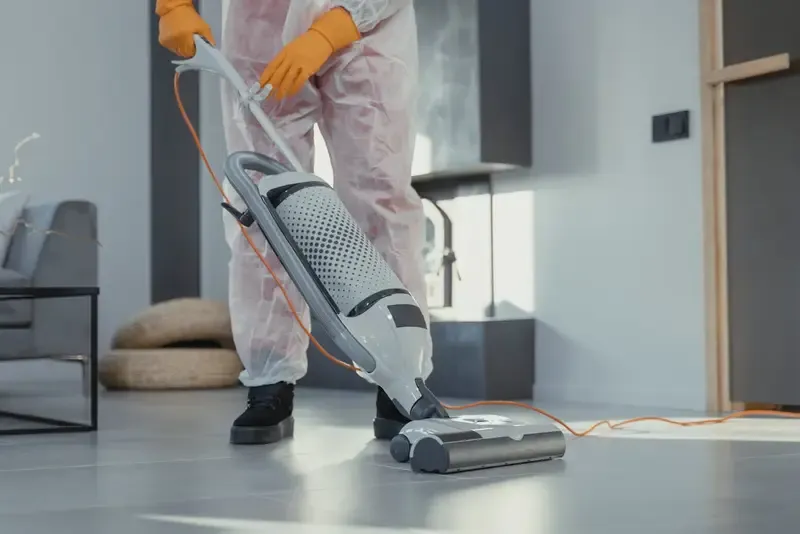
Effective cleaning relies on customised plans, appropriate equipment, and trained personnel. Tailored cleaning schedules address facility-specific needs. Industrial vacuums and floor scrubbers enable thorough, efficient cleaning, while staff trained in warehouse protocols deliver safer outcomes.
Strategies for Maintaining Cleanliness and Efficiency
Establish a routine cleaning schedule to preserve cleanliness and support operations. Focus daily efforts on high-traffic zones and plan weekly and monthly deep cleaning for less-used areas. This staged approach prevents build-up of dirt and debris that can impede workflows.
Daily Cleaning Tasks
Daily cleaning tasks should include:
- Floor Sweeping : Removing dust and debris from high-traffic areas.
- Surface Wiping : Cleaning surfaces that are frequently touched, such as door handles and equipment.
- Trash Removal : Ensuring that waste is disposed of properly to maintain a tidy environment.
Weekly and Monthly Deep Cleaning
Weekly and monthly deep cleaning tasks can include:
- Floor Scrubbing : Using specialized equipment to deep clean floors and remove stubborn stains.
- Dusting : Cleaning shelves, beams, and other surfaces that accumulate dust over time.
- Equipment Maintenance : Inspecting and cleaning machinery to ensure optimal performance.
How Often Should Warehouses Be Cleaned to Maintain Optimal Conditions?
Frequency should match traffic and risk profile. High-traffic areas require daily attention. Medium-traffic zones benefit from weekly cleaning. Low-traffic spaces may be scheduled monthly. A structured cadence reduces incident risk and preserves operational efficiency.
Recommended Cleaning Schedules and Frequency for Industrial Warehouses
A cleaning schedule tailored to facility usage enhances efficiency. The table below sets out recommended frequencies for common warehouse areas and the associated tasks required to maintain standards.
| Area | Cleaning Frequency | Recommended Tasks |
|---|---|---|
| High-Traffic Areas | Daily | Sweeping, surface wiping, trash removal |
| Medium-Traffic Areas | Weekly | Floor scrubbing, dusting, equipment maintenance |
| Low-Traffic Areas | Monthly | Deep cleaning, inspection of storage areas |
The table demonstrates how a structured schedule addresses different area needs and helps maintain consistent standards across the facility.
Balancing Routine Maintenance with Specialty Cleaning Services
Routine maintenance covers most day-to-day requirements, but specialised services are necessary for certain tasks. Deep cleaning operations such as pressure washing or carpet treatment may be required for specific zones. Engaging professional cleaning services provides the equipment and specialist expertise needed to complete those tasks effectively.
What Are the Best Practices for Warehouse Floor Maintenance and Surface Care?
Floor maintenance should include regular sweeping and mopping with agents appropriate for the flooring material. Select cleaning chemicals that preserve surface integrity. Surface-care protocols must prioritise disinfection of high-touch areas to limit germ transmission and support employee health.
High-Touch Surface Disinfection Protocols to Reduce Germ Spread
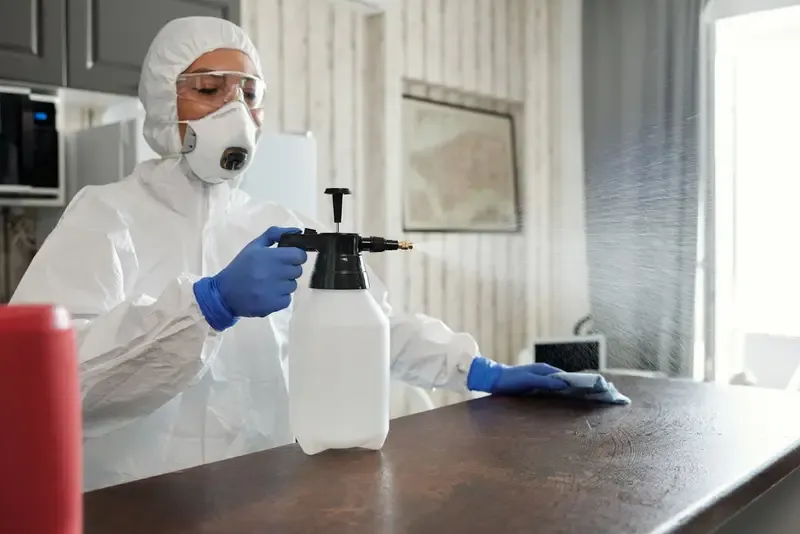
High-touch disinfection should use agents proven effective against a broad range of pathogens and application methods that ensure complete coverage. Target door handles, light switches, controls, and other frequent-contact points on a regular schedule to strengthen workplace health protections.
For a deeper dive into establishing robust sanitation practices, consider the following expert guidance on workplace SOPs and high-touch surface disinfection.
Workplace Sanitation SOPs & Best Practices
Clean, safe, high-performing workplaces are not an accident. They are the result of clear priorities, simple routines, and tight feedback loops. This playbook converts the evidence base into a field-ready standard operating procedure (SOP) your teams can execute in minutes—not hours—each day. You will receive: a tiered prioritization model, a 7-step sanitation method, chemistry and material guidance, area-specific micro-SOPs, QA you can finish in under 15 minutes a week, and a 30/60/90-day rollout plan.
How to Sanitize High-Touch Surfaces in Workplaces
How Does Professional Warehouse Sanitization Improve Workplace Health and Safety?
Professional sanitization raises cleanliness to a consistent standard by combining trained personnel, validated products, and repeatable procedures. This reduces illness-related absences and creates a safer environment, which supports productivity and operational continuity.
Which Specialty Cleaning Services Support Comprehensive Warehouse Maintenance?
Specialty cleaning services provide targeted support for areas that routine cleaning does not address. Common examples include:
- Floor Scrubbing : Deep cleaning of warehouse floors to remove built-up grime.
- Dust Removal : Specialized equipment for removing dust from hard-to-reach areas.
- Pressure Washing : Effective for cleaning exterior surfaces and loading docks.
These specialty services complement daily maintenance and help ensure the entire facility meets operational and safety expectations.
Role of Pressure Washing and Day Porter Services in Facility Care
Pressure washing removes surface soils and grease from exterior areas, restoring appearance and reducing slip hazards. Day porter services provide continuous upkeep during operational hours to keep common areas and entrances presentable and safe.
Customized Cleaning Programs Tailored to Warehouse Needs
Customized programs address the unique layout, traffic patterns, and material types of each warehouse. CleanMD Services develops tailored schedules based on client requirements to ensure cleaning tasks are executed efficiently and in alignment with operational priorities.
How Can Facility Managers Ensure Consistent Quality and Accountability in Warehouse Cleaning?
Facility managers secure quality through structured service management: scheduled inspections, clear communication of expectations, and measurable performance metrics. These practices promote accountability among cleaning teams and support continuous improvement.
To further enhance the cleanliness and maintenance of warehouse facilities, consider exploring office cleaning services . These services can extend a comprehensive approach to facility cleanliness and organisation, supporting productivity across the site.
Implementing Structured Data and Monitoring for Service Excellence
Structured data and monitoring systems enable oversight of schedules, performance indicators, and regulatory compliance. Tracking these metrics reveals trends and areas for improvement, allowing managers to maintain consistent cleaning standards and a safer workplace.
Frequently Asked Questions
What types of cleaning equipment are recommended for warehouse cleaning?
Use equipment designed for industrial settings. Recommended items include industrial vacuums for dust removal, floor scrubbers for deep cleaning hard floors, and pressure washers for exteriors. Microfiber cloths and mops are effective for surface cleaning and disinfection of high-touch points. The right tools improve efficiency and help meet health and safety requirements.
How can I create a customized cleaning program for my warehouse?
Begin with an assessment of traffic patterns, stored materials, and unique operational challenges. Define daily, weekly, and monthly tasks that respond to those conditions. Include cleaning staff in planning and review the program regularly to incorporate feedback and adapt to changing needs.
What are the benefits of hiring professional cleaning services for warehouses?
Professional services provide specialised expertise, trained personnel, and access to industrial-grade equipment. This ensures higher cleaning standards and adherence to safety protocols. Outsourcing cleaning allows managers to concentrate on core operations while maintaining a compliant, productive environment.
How can I ensure my cleaning staff is properly trained?
Implement a formal training program covering techniques, safety protocols, and equipment operation. Schedule regular workshops and refresher sessions, and pair new staff with experienced team members for supervised learning. Define performance metrics to maintain consistent standards.
What should be included in a warehouse cleaning checklist?
A comprehensive checklist covers daily, weekly, and monthly tasks. Daily items include sweeping, surface wiping, and waste removal. Weekly actions may involve deep floor cleaning and dusting. Monthly tasks should include inspections of storage areas and specialised cleaning for less accessible spaces. Include safety checks and compliance audits as standard items.
How can I measure the effectiveness of my warehouse cleaning program?
Measure effectiveness through regular inspections and audits and by tracking performance metrics such as cleanliness scores, safety compliance, and employee feedback. Monitor these indicators over time to identify trends and implement corrective actions. A feedback mechanism for staff reports improves responsiveness.
Conclusion
Implementing best practices for warehouse cleaning improves operational efficiency and workplace safety. Adherence to structured protocols and the use of specialised services ensure a consistently clean environment and support staff accountability. Discover how our tailored cleaning solutions can transform your warehouse today.