Key Factors That Determine Pricing for Professional Cleaning Services in Central Maryland
Knowing how professional cleaning is priced helps both property managers and homeowners in Central Maryland budget smarter. This guide breaks down the main drivers behind cleaning costs so you can compare bids and choose the right service for your needs. We cover the different service types — from routine janitorial work to industrial and specialty cleanups — and explain how each one affects price. You’ll also learn how facility features and cleaning frequency factor into overall cost, giving you clearer expectations when planning your cleaning budget.
We’ll also look at how compliance and quality standards play into pricing and highlight common pricing models used by cleaning firms. The goal is to make pricing easier to understand so you can make practical, budget-conscious choices for your facility.
Which Cleaning Service Types Influence Pricing in Central Maryland?

Different cleaning categories come with different labor needs, equipment, and standards — and those differences show up in the price. Janitorial services, everyday commercial cleaning, industrial cleanup, and specialized healthcare cleaning all follow distinct cost patterns. Understanding these categories helps you see why one quote can be much lower or higher than another.
| Service Type | Pricing Factor | Cost Implications |
|---|---|---|
| Janitorial Services | Routine maintenance and recurring contracts | Typically lower per-visit costs for scheduled work |
| Industrial Cleaning | Specialized equipment and safety protocols | Higher fees for trained crews and heavy-duty tools |
| Healthcare Cleaning | Strict regulatory and certification requirements | Premium pricing to meet compliance and infection-control standards |
These distinctions show how the service type links directly to pricing. To explore the range of offerings, see our commercial cleaning services.
How Do Janitorial, Healthcare, and Industrial Services Differ in Cost Structure?
Each sector’s cleaning needs shape how providers price their work. Janitorial contracts for offices and schools often use flat-rate or per-visit pricing, which can make long-term agreements more affordable. Healthcare cleaning demands extra training, specialized disinfectants, and tighter protocols, so those services cost more. Industrial jobs usually require heavy equipment, specialized processes, and strict safety measures, which raises rates.
Knowing these differences helps you plan and allocate budget appropriately. For specifics on janitorial offerings, read about our commercial janitorial services.
Janitorial Services Explained: Scope and Tasks
Janitorial work goes beyond sweeping and emptying trash. It’s a coordinated set of cleaning and maintenance tasks designed to keep buildings safe, sanitary, and operational. Typical duties vary by site but commonly include routine surface cleaning, restroom sanitizing, floor care, and trash handling.
What Specialty Services Affect Price Variability?
Specialty services — like post-construction cleanup, deep carpet restoration, and targeted disinfection — add complexity and cost. These jobs often require more labor, specialized tools, and staff with specific training, which drives higher rates. Post-construction work, for example, includes debris removal and detailed cleaning that standard services don’t cover.
Prices for specialty services can vary widely based on task complexity and any required certifications.
How Do Facility Characteristics Impact Professional Cleaning Costs?
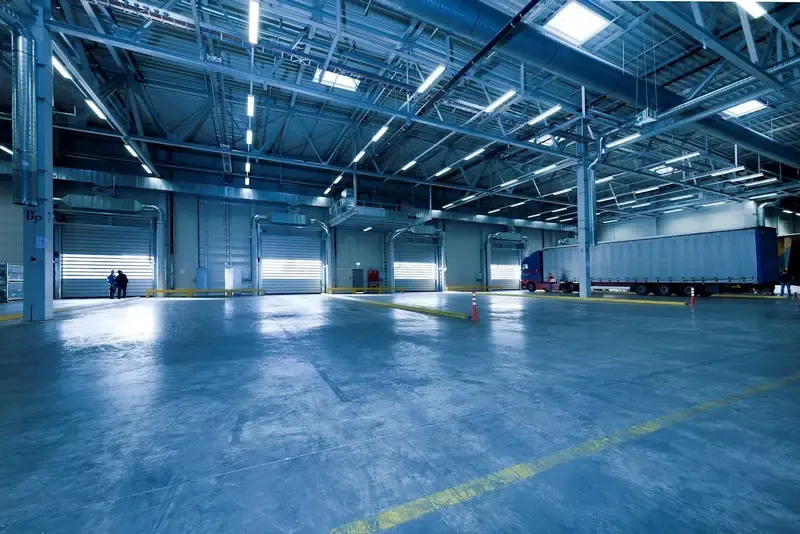
Facility attributes are a major factor in pricing. Larger square footage means more time and labor; high-traffic zones need more frequent attention; and specialized surfaces or layouts can require different equipment. All these elements affect hourly labor, material use, and the overall quote.
When budgeting, consider how your facility’s layout, materials, and daily use patterns will influence the final price.
Why Do Facility Size and Industry Type Affect Pricing?
Size and industry set expectations for cleaning scope and compliance. Bigger buildings simply take longer to service, increasing labor and supply costs. Industry type matters because sectors like healthcare or manufacturing often require stricter cleaning protocols and documentation, which add to the price.
Understanding these relationships makes it easier to compare proposals and match services to your operational needs.
How Does Usage Intensity Shape Cleaning Service Estimates?
How often a space is used directly affects how often it needs cleaning. High-use areas — lobbies, cafeterias, classrooms — usually need daily or multiple daily cleanings. Low-traffic spaces may be cleaned less often, lowering costs. Accurate usage assessments help you negotiate the right frequency and avoid overpaying for unnecessary visits.
Reviewing actual foot traffic and peak times will lead to more accurate estimates and better value.
What Role Does Cleaning Frequency and Scheduling Play in Cost Determination?
Frequency and scheduling are big levers for price. More frequent visits increase total costs but can reduce the need for periodic deep cleans. Off-hour or weekend work can also affect labor rates. Setting a predictable schedule often lowers per-visit costs and improves consistency.
Balancing frequency with your facility’s needs is the most cost-effective approach to maintain cleanliness without overspending.
How Do Recurring vs. One-Time Service Affect Pricing Models?
Recurring contracts typically offer the best value: providers can plan staff and routes, which lowers per-visit pricing. One-time or deep-clean visits cost more because they’re often more labor-intensive and require special preparation or equipment. If you have ongoing needs, a recurring plan usually reduces total annual cost.
Choosing recurring services where appropriate is a practical way to manage long-term cleaning expenses in Central Maryland.
What Are Scheduling Factors That Influence Janitorial Service Rates?
Several scheduling elements change janitorial rates: time of day, frequency, and the need for after-hours or weekend work. Higher pay rates for night shifts or holiday coverage can increase quotes. Also, intense foot traffic periods or safety-sensitive hours may require additional staffing or supervision.
Clear scheduling expectations help avoid surprise charges and keep ongoing costs predictable.
How Do Quality Standards and Compliance Requirements Affect Pricing?
Meeting higher quality and compliance standards raises service costs. Facilities under strict health regulations need staff with training, documentation, and sometimes third-party audits. That investment in training, supplies, and record-keeping shows up in higher pricing, but it also protects occupants and reduces regulatory risk.
Factor compliance into your budget — cutting corners on standards can lead to fines and greater expense down the line.
What Impact Do Health and Safety Protocols Have on Service Costs?
Enhanced health and safety protocols mean more time, specialized products, and staff training — all of which add to the cost. Facilities that prioritize infection control or follow strict PPE and sanitation procedures will see those requirements reflected in service fees.
Investing in higher health standards is a proactive expense that can prevent costly incidents and preserve occupant safety.
How Do Regulatory Compliance and Industry Certifications Influence Pricing?
Meeting local regulations and maintaining certifications requires ongoing investment from providers. Costs for compliant cleaning include training, documentation systems, and sometimes certified products. These inputs increase bids but ensure services meet legal and industry expectations.
Ask potential providers about their certifications and compliance processes to understand the pricing behind them.
What Are the Hidden Cost Drivers Related to Risk Management and Sanitization?
Hidden costs often come from advanced sanitization and risk management needs. Specialized disinfection, hazard controls, and incident-response plans require equipment and highly trained staff. For sectors like healthcare, these hidden costs can be substantial and should be included in budget planning.
Being aware of these drivers helps you prepare realistic estimates and avoid unexpected charges.
How Do Disinfection Practices Affect Price Estimates?
Disinfection protocols — especially those requiring EPA-approved products or electrostatic sprayers — add labor time and material costs. When a higher level of disinfection is required, expect estimates to increase accordingly. It’s important to balance the level of disinfection with actual risk to control expenses.
Discuss the specific disinfection methods you need so providers can give accurate pricing.
Why Do Safety Considerations Increase Cleaning Service Expenses?
Safety measures raise costs because they require extra training, oversight, and often specialized equipment. Protective gear, confined-space precautions, or working around hazardous materials all increase labor complexity and liability, which translates to higher prices.
Recognizing this link clarifies why some services cost more and underscores the value of prioritizing safety.
How Does Client Communication and Customized Facility Programs Affect Pricing?
Clear communication and tailored programs help control costs. When providers understand your priorities, they can allocate resources more efficiently and avoid unnecessary tasks. Customized plans let you focus cleaning where it matters most and reduce wasteful overcleaning.
Open dialogue about expectations and outcomes leads to better service and more predictable pricing.
What Are the Benefits of Tailored Cleaning Programs for Cost Efficiency?
Tailored programs save money by aligning cleaning frequency and tasks with actual needs. Prioritizing high-touch or high-traffic areas reduces unnecessary work, while flexible schedules let you dial service up or down as demand changes. This targeted approach improves results and keeps costs in check.
Clients in Central Maryland often see better value when they work with providers to build a custom plan. For specialized needs like window and high-glass cleaning, scheduling and scope details matter.
At CleanMD Services, we design customized cleaning programs that focus on efficiency, clear communication, and measurable results. Our approach helps clients get the service they need while staying within budget. Learn more about our offerings at CleanMD Services or read about who we are and why we prioritize dependable, professional cleaning.